Finding Your Perfect Pair: The Ultimate Guide to Running Shoes
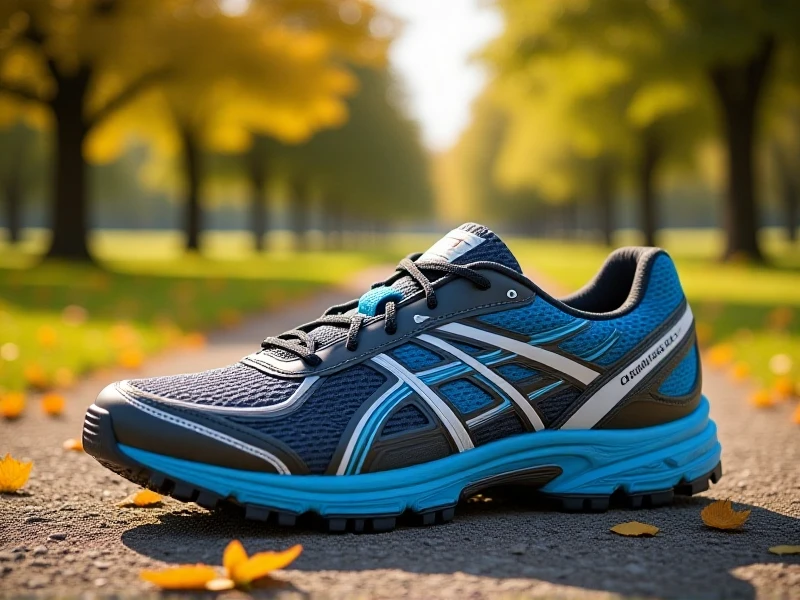
Hitting the pavement requires more than just motivation; you need the right foundation for your feet. Choosing optimal running shoes is crucial for comfort, performance, and injury prevention. With countless options available, navigating the market can feel overwhelming. Understanding key factors will empower you to make the best choice.
Trail vs. Road? Know Your Terrain. The fundamental distinction lies between road and trail variants. Running shoes designed for roads prioritize cushioning and smooth transitions on hard surfaces like asphalt and concrete. They're generally lightweight with flexible soles. Conversely, trail running shoes feature aggressive tread patterns for superior grip on mud, rocks, and loose terrain. They offer enhanced stability, protection from debris, and often a sturdier build.
Cushioning Counts: Comfort Underfoot. Cushioning absorbs impact—a vital factor for joint health. Levels range from minimalist (low cushion, promoting a more natural foot strike but requiring strong legs and feet) to maximalist (plush cushioning, maximizing shock absorption). Neutral cushioning suits most runners without major gait issues. Consider your body weight, mileage, and personal preference for softness versus responsiveness.
Support Needs: Stability & Motion Control. Understanding your foot strike and arch type is key. Pronation (your foot's inward roll) is natural. Overpronators (excessive inward roll) often benefit from stability or motion control shoes featuring firmer medial posts to guide the foot. Underpronators (supinators) or neutral runners typically find neutral cushioning running shoes most comfortable. Consult a specialty running store for a gait analysis if unsure.
The Perfect Fit: Non-Negotiable Comfort. Achieving the right fit is paramount, far more critical than brand or looks.
- Shop Later: Feet swell during runs, so visit stores in the afternoon.
- Thumb's Width: Allow a thumb's width (roughly half an inch) between your longest toe and the shoe's end.
- Heel Lock: Your heel should be snug and secure without slippage.
- Midfoot & Toebox: The midfoot should feel securely held but not constricted. The toebox (front width) should allow your toes to splay naturally.
- Test Them: Jog in-store (or take advantage of generous return policies).
Don't Forget Purpose & Durability. Matching the shoe to your training goal matters. Long-distance trainers focus on cushioning and support. Speedwork shoes prioritize lightweight responsiveness. Race-day models aim for minimal weight and maximum propulsion. Remember, even the best running shoes have a lifespan—typically 300-500 miles. Worn-out cushioning and support lead to discomfort and potential injuries.
Investing time to find your perfect pair pays dividends in every run, helping you run farther, faster, and with far greater comfort. Your feet will thank you.